|
THE GALTA NEWSLETTER
September 2026 · Issue 03
|
|
IN THIS ISSUE Feature, in Arabic: rebuilding the preparatory-year Arabic course • Washback competition winner • Announcing our 2027 conference • Glyn Jones on the CEFR, 22 September • Olena Rossi’s November course • October competition • Research from the region • Join the WhatsApp community
|
|
|
A Professional Language: Rebuilding the Preparatory-Year Arabic Course
Our first Arabic-language feature. Prof. Nayaf Rezcan Alanazi argues that preparatory-year Arabic should prepare professionals to use the language in their working lives, and that assessment is where the change begins. Also inside: the winner of the washback competition, the announcement of our 2027 international conference, a webinar this month that puts the CEFR itself to the test, and a November course selling fast.
|
FEATURE ARTICLE · IN ARABIC · 5 MIN READ |
|
لغة مهنية: نحو إعادة بناء مقرر العربية في السنة التحضيرية
 |
Prof. Nayaf Rezcan Alanazi · أ.د. نياف العنزي Professor of Arabic, King Saud bin Abdulaziz University for Health Sciences أستاذ اللغة العربية، جامعة الملك سعود بن عبد العزيز للعلوم الصحية |
IN BRIEF, IN ENGLISH Rebuild the two preparatory-year Arabic courses as two distinct course strands taken together: one for language, literature, and the craft of writing, giving future professionals room for the literary talents many of them carry; one for professional Arabic, tailored to each specialty, from explaining a diagnosis to writing a technical report. Assessment is the hinge: objective tests paired with performance tasks and portfolios, scored against clear rubrics, so that what is measured is the ability to use Arabic for recreation and in real academic and professional situations.
تُعد اللغة العربية في التعليم الجامعي أكثر من مقرر دراسي يُدرَّس لاستكمال متطلبات الخطة؛ فهي أداة للتفكير والتعبير، ووسيلة للتواصل، ووعاء للثقافة والمعرفة. ومن هنا تبرز الحاجة إلى إعادة النظر في مقررات اللغة العربية التي تُقدَّم لطلاب السنة التحضيرية في التخصصات العلمية، بحيث تستجيب لحاجاتهم اللغوية والثقافية والمهنية، ولا سيما أن هؤلاء الطلاب مقبلون على مجالات عمل تتطلب قدرة عالية على التواصل والتعبير.
وتقوم الفكرة على إعادة بناء مقرري العربية في السنة التحضيرية، بحيث يكون لكل فصل دراسي مقرر مستقل له أهدافه ومحتواه وتطبيقاته وتقويمه الخاص، بدل أن يكون المقرران امتدادًا تقليديًا لمحتوى لغوي واحد. ويحقق هذا التصور تكاملًا بين المقررين مع المحافظة على استقلال كل منهما من حيث أهدافه ومخرجاته وتطبيقاته، بحيث ينتقل الطالب من بناء علاقته باللغة والأدب والكتابة إلى توظيف اللغة في المجال المهني الذي سيعمل فيه مستقبلًا.
فيخصص مقرر الفصل الأول للمهارات اللغوية والأدبية وآليات الكتابة، بحيث يتعلم الطالب سلامة اللغة، وحسن التعبير، والقراءة الواعية، ويتعرف إلى نماذج مختارة من الأدب وأجناسه المختلفة، كالشعر والرواية والمقال، مع التركيز بصورة خاصة على آليات الكتابة وبناء النص، ولا سيما المقال والكتابة الإبداعية. وليس الهدف تحويل الطالب إلى متخصص في اللغة أو الأدب، وإنما بناء ذائقته اللغوية، وتعميق صلته بالعربية، وإتاحة المجال أمام ميوله ومواهبه الأدبية.
”كثيرًا ما نجد طبيبًا يكتب الشعر، أو مهندسًا يميل إلى الرواية، أو متخصصًا في الحاسب يمارس كتابة المقال والقصة“ | |
وهذه المساحة الأدبية مهمة بوجه خاص؛ لأن بعض الطلاب الذين التحقوا بالتخصصات العلمية قد يحملون مواهب وميولًا أدبية متجذرة في نفوسهم منذ نعومة أظفارهم، غير أن متطلبات سوق العمل قد تدفعهم إلى اختيار الطب أو الهندسة أو الحاسب وغيرها من التخصصات العلمية، دون أن يعني ذلك انطفاء شغفهم بالشعر أو الرواية أو الكتابة. وكثيرًا ما نجد طبيبًا يكتب الشعر، أو مهندسًا يميل إلى الرواية، أو متخصصًا في الحاسب يمارس كتابة المقال والقصة، مما يؤكد أن الميول الأدبية قد تكون جزءًا أصيلًا من شخصية الإنسان لا تلغيه التخصصات العلمية.
أما مقرر الفصل الثاني فيتجه إلى اللغة المهنية التي يحتاج إليها الطالب في مستقبله الوظيفي، بحيث يرتبط محتواه بأهداف التخصص وحاجات المتخصص الفعلية إلى اللغة العربية في بيئة العمل. فطالب الطب يحتاج إلى التدريب على التواصل مع المريض، وشرح التشخيص والإجراءات الطبية بلغة واضحة، وصياغة التقارير الطبية، وكتابة الخطابات والمراسلات المهنية، وإدارة الحوار بطريقة تعزز الثقة والتفاهم. ويمكن أن تتغير التطبيقات وفق التخصص؛ فيتدرب طالب الهندسة على التقارير والعروض والمشروعات، بينما يتعلم طالب الحاسب الكتابة التقنية والتواصل المتخصص والعرض العلمي.
وبذلك يصبح لكل مقرر هوية واضحة وأهداف محددة؛ فمقرر الفصل الأول يركز على الأدب وآليات الكتابة وتنمية الذائقة والتعبير، في حين يركز مقرر الفصل الثاني على اللغة المهنية والتواصل الوظيفي، مع إمكان تكييف محتواه وفق طبيعة التخصصات التي يخدمها المقرر.
ويأتي التقويم ليكون عنصرًا حاسمًا في نجاح هذا التصور، ولذلك أقترح اعتماد تقويم يجمع بين الاختبارات الموضوعية والتقويم الأدائي، بحيث لا تقتصر عملية القياس على معرفة الطالب بالقواعد والمفاهيم، وإنما تمتد إلى قدرته على توظيف اللغة في مواقف حقيقية. ويُراعى في التقويم استخدام معايير أداء واضحة (Rubrics) تضمن عدالة القياس واتساقه، وتوضح للطالب منذ البداية عناصر الأداء التي سيُقوَّم عليها.
ففي مقرر الفصل الأول يمكن تخصيص جزء من الدرجة للاختبارات الموضوعية لقياس المعرفة والفهم، وتخصيص جزء آخر لملف إنجاز كتابي يجمع نماذج من أعمال الطالب، مثل كتابة مقال، وتحليل نص أدبي، وتلخيص نص وإعادة صياغته، ومهمة في الكتابة الإبداعية. ويُقوَّم الملف وفق معايير محددة تشمل سلامة اللغة، وجودة الأسلوب، وتنظيم الأفكار، وترابط النص، والقدرة على التعبير والابتكار.
أما مقرر الفصل الثاني، فيمكن أن يعتمد التقويم على مزيج من الاختبار الموضوعي والمهام الأدائية، مثل كتابة خطاب مهني، وصياغة تقرير مرتبط بالتخصص، وإعداد عرض قصير، ومحاكاة موقف تواصلي واقعي. ويُقوَّم الطالب في هذه المهام وفق معايير تشمل سلامة اللغة، ودقة المعلومات، ووضوح الرسالة، وتنظيم المحتوى، والقدرة على التواصل، ومدى ملاءمة اللغة للموقف المهني.
ويمكن، في حال وجود نظام موحد للتقويم في الكلية، المحافظة على الاختبارات الموضوعية المعتمدة وإعادة توزيع جزء من الدرجات على التقويم المستمر القائم على الأداء، بحيث لا يكون التغيير جذريًا أو صعب التطبيق. كما يمكن تطوير الاختبارات الموضوعية نفسها لتتضمن مواقف تطبيقية وسياقات مهنية، بحيث تقيس قدرة الطالب على اختيار الصياغة الأنسب وتحليل المواقف التواصلية، إلى جانب قياس المعرفة اللغوية.
إن إعادة بناء مقرري العربية بهذه الصورة تجعل اللغة شريكًا حقيقيًا في تكوين الطالب العلمي والمهني والثقافي؛ فهي تحفظ صلته بجماليات لغته، وتحتضن مواهبه الأدبية، وفي الوقت نفسه تهيئه لاستخدام العربية بكفاءة في مهنته المستقبلية. وبذلك تنتقل العربية من كونها مقررًا تقليديًا إلى كونها أداة فاعلة في بناء الإنسان المتخصص، القادر على التفكير والتذوق والتعبير والتواصل، وعلى استخدام لغته بكفاءة في حياته الأكاديمية والمهنية.
|
|
ANNOUNCING · GALTA ONLINE CONFERENCE 2027
Whose Evidence Counts?
Validity, Fairness, and Context in Language Assessment
Our first international conference: three days, fully online, on what happens when instruments and frameworks designed elsewhere meet the multilingual realities of our region, across Arabic, English, and Chinese. The call for abstracts is open now: 250 words, papers, posters, or workshops.
DATES 29 April – 1 May 2027 |
ABSTRACTS BY 15 January 2027 |
FORMAT Fully online · Zoom |
|
|
COMPETITION WINNER · 4 MIN READ |
|
The Conversation AI Cannot Join
Chosen from the submissions to our washback competition, congratulations to
Sarah Mohammed WINNER
WHY THIS PIECE WON This piece won because it gives a real-life example of washback being positive rather than always negative, and offers a practical response to AI. Sarah asked students to produce Cornell notes on academic reading, but with no guardrails, there was no assurance that they were not using ChatGPT. Instead of submitting the notes as text, students presented them and talked Sarah through their thinking. This made ChatGPT largely irrelevant: Sarah could hear what students understood and open avenues for deeper learning and comprehension. When one student linked a paper to a grandmother’s illness, it showed the power of the approach: a human connection that a rubric or AI-generated notes alone could not capture.
When AI became capable of writing Cornell notes, I stopped relying on the notes themselves to assess my students and began relying on the conversations those notes could generate. In my English writing course, third-term pre-medicine students each choose a peer-reviewed scientific article and, as their first writing task, capture its key points on a Cornell template. The notes showed me what students had written, but they could not tell me what students had understood. With more than fifteen students, more than fifteen different scientific papers to read in order to assess and grade the notes and two unsupervised weeks before submission, I had no reliable way to know who had truly read their paper and who had allowed AI to read it and fill in the template for them.
Our course coordinator suggested a way out: let the students present their notes in class. The teaching team was hesitant: it would mean more work for the students; it would cost a whole week of class time on grading the presentations alone and might not work as smoothly with students from other programs as it did with the medicine groups. Still, I decided to try it.
I kept the rules deliberately gentle. The presentations were not graded; the rubric continued to assess only the Cornell notes, and students were aware of that. Students could show their notes on the projector as they presented, so they did not have to memorize anything. Those uncomfortable speaking before an audience could present privately to me through Teams. Although the notes were required to be in English, students were free to present in English, Arabic, or move between the two languages. The deal was simple: no pressure and no marks for the performance; just show me you know your paper.
| | “AI may still write the notes, but it cannot take part in the conversation where understanding becomes visible.” |
The positive washback began before anyone stood up to present. Once students knew they would have to speak about their paper, preparing the notes meant more than filling in a template; it meant understanding what they had read. During class, the follow-up questions did the real work of assessment. My questions, along with their classmates’ questions, quickly showed who had actually read the paper and who had not. Then came something no rubric had ever captured: students were not only talking about their papers; they were also relating them to their own lives, their families, and people they knew. A link to a grandmother’s illness could not be generated by AI. It showed that the student had understood the article deeply enough to make it personal.
What happened went against the usual logic of assessment. I made the task lower-pressure, yet the learning became deeper. The students still cared about their marks, of course, but it was the format that changed how they prepared. They were no longer preparing simply to submit work. They were preparing to explain, respond, and be heard. AI may still write the notes, but it cannot take part in the conversation where understanding becomes visible.
Sarah Mohammed is an English language lecturer with over twenty years of experience teaching EAP, ESP, and academic writing in Saudi Arabia. Her research interests include learner corpora and writing assessment. As this round’s winner, she also receives a free session in a GALTA workshop of her choosing. Find her on LinkedIn → |
|
|
THIS MONTH · FREE WEBINAR · 22 SEPTEMBER
Can We Trust the Levels? (Re)calibrating the CEFR Descriptors
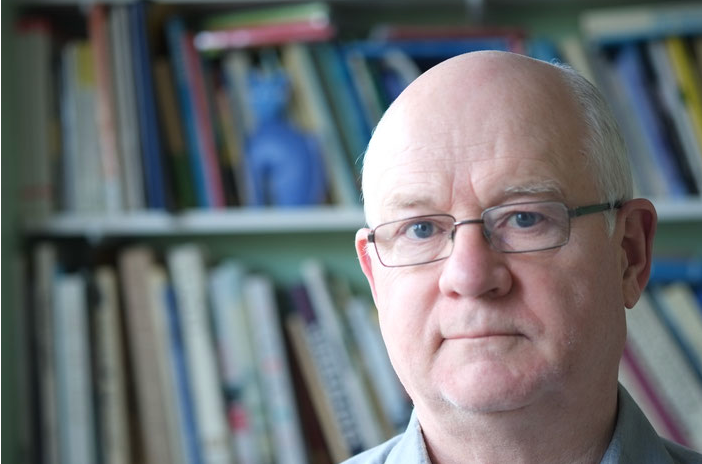 |
Dr Glyn Jones Author, (Re)calibrating the CEFR Descriptors, Language Assessment Quarterly (2026) |
Students are placed, tests written, and scores reported against the CEFR every day. Yet the research behind the levels dates from the 1990s, and no one had replicated it systematically, until Dr Jones did, with 471 teachers in 45 countries. Which levels held up, and which deserve a second look?
Tuesday 22 September · 7:00 pm KSA · Free on Zoom
|
|
|
ONLY 40 SEATS · SELLING NOW
Using Generative AI in Item Writing
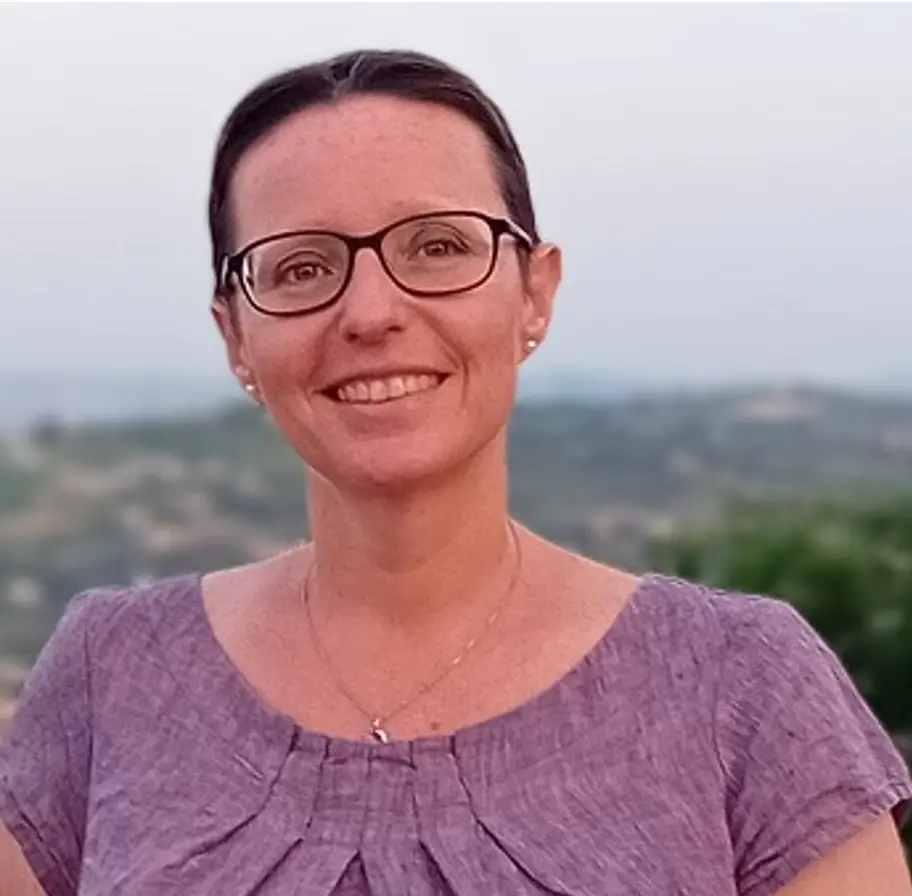 |
Olena Rossi, PhD Independent language assessment consultant; PhD in Language Testing, Lancaster University; founding convenor of EALTA’s AI for Language Assessment SIG |
Live only, no recordings: a hands-on course across the full item-writing cycle, from prompts and texts to audio and tasks, and the judgement to know when not to use AI. No prior AI knowledge needed. Only 40 seats, and some are already taken.
+ Optional practical strand: build real test items each week with feedback from Olena and peers. 20 places, course holders only.
DATES 7 · 14 · 21 · 28 November |
FORMAT 4 live sessions · 12:30–16:30 KSA |
MEMBER ACCESS CODE THEKEY |
|
|
|
RESEARCH FROM THE REGION
|
Can ChatGPT score ESL writing? A correlation analysis between teacher and GenAI scores
Alkhofi, A. (2026).
Language Teaching Research.
Thinking of using ChatGPT to mark practice essays? This study shows that you can give ChatGPT a few examples you have already marked as training material. However, it tended to give weaker writing overly generous marks. It may save time on low-stakes marking, but it should not be trusted for important assessments.
|
|
Mapping oral collocational use across proficiency levels in IELTS speaking
Montazeri, M. R., & Estaji, M. (2026).
International Review of Applied Linguistics in Language Teaching.
Even higher-level speakers can struggle with complex word combinations. In this study of mock IELTS Speaking tests, more complex combinations often came with more errors, and even band 8 speakers used few of them. For classroom speaking assessment, give complex collocations explicit attention in teaching and training to help your students stand out.
|
|
Language policy attraction of the CEFR in regions outside Europe
Harsch, C. (2026).
Current Issues in Language Planning.
A course labelled “B1” can still miss your students’ needs. This study of CEFR use outside Europe highlights why teachers need a say in adapting the framework. Look at students’ work together and discuss what the level descriptions look like in practice. Use that shared understanding to plan lessons and assessments that fit your learners.
|
|
THE COMMUNITY
|
Join the WhatsApp community
Announcements, event reminders, and conversation with assessment colleagues across the region, between issues of this newsletter.
|
|
Share your news
New article, award, talk, or role? A title, a sentence, and a link is all it takes, and the region’s assessment community reads your name in the next issue. Email news@galta.org. Deadline for the October issue: 25 September. |
|
|
|
MEMBER COMPETITION · ROUND 3
Could you assess a seven-year-old?
Round 3 asks for your sharpest 500 words on language assessment for school-age children: classroom tests, national exams, young learner proficiency measures, or the ethics of testing children at all. Your angle, your experience, and the 500 is a hard ceiling.
The winning piece is published in the October issue, and the writer earns one free workshop session of their choosing.
DEADLINE: 25 SEPTEMBER
|
|
|
Know someone who should be reading this?
Forward this issue to a colleague. Membership is currently free, and it comes with events, recordings, tools, and the regional community.
|
|
Gulf Association for Language Testing and Assessment
|
| |
|